Understanding the IELTS Exam
What Is the IELTS Exam and Who Needs It?
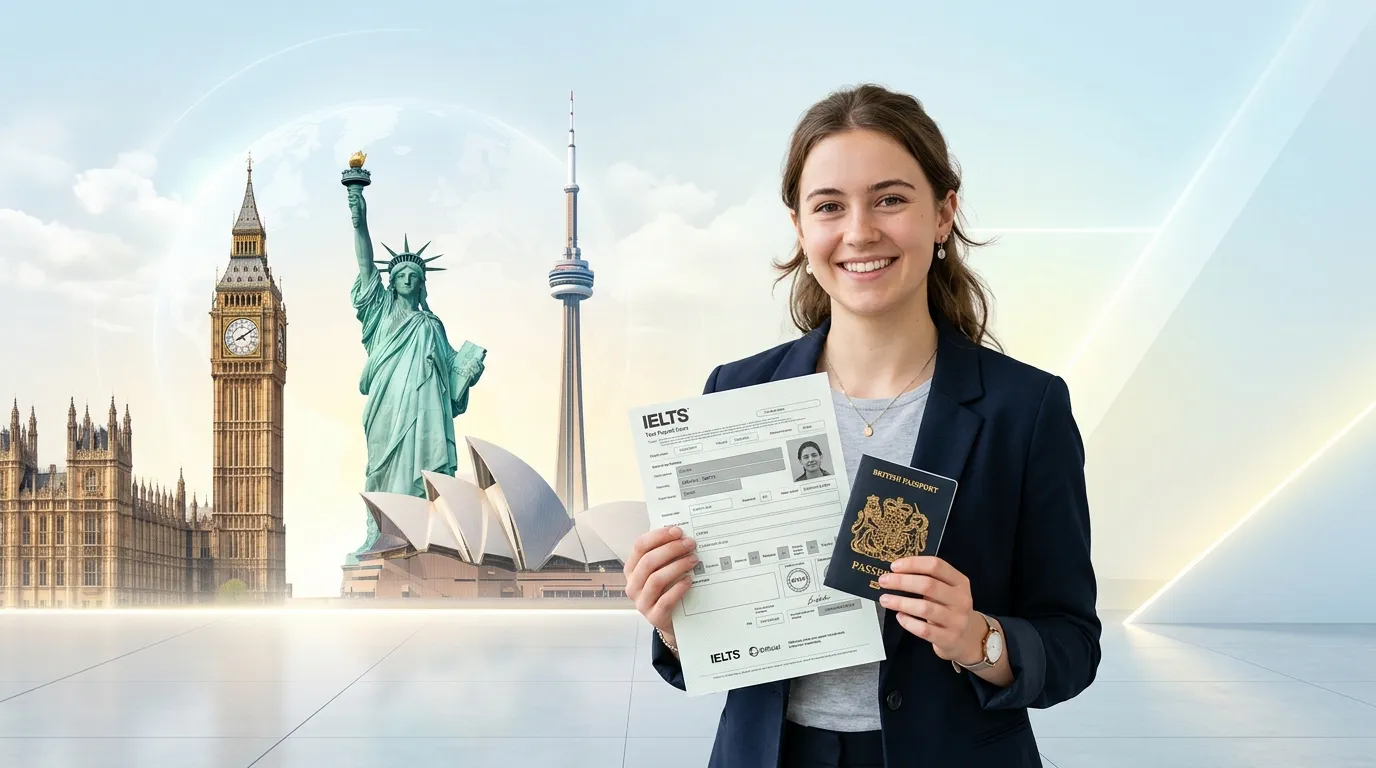
Have you ever dreamed of visiting the UK’s landscapes, the USA’s vibrant cities, or the breathtaking beauty of Australia or New Zealand? Or perhaps you wish to embrace the diverse culture of Canada? Whether you're planning to visit or study in these countries, if you’re a non-native English speaker, the IELTS (International English Language Testing System) is your passport to those destinations.
IELTS is a globally recognised English proficiency exam designed to assess your speaking, reading, writing, and listening skills.
IELTS Academic vs. General Training: Which Is Right for You?
The IELTS exam comes in two versions: Academic and General Training.
- The Academic IELTS is intended for those applying for higher education or professional registration.
- The General Training IELTS is for individuals planning to work, train, or migrate to an English-speaking country.
Both versions assess the same core language skills but vary in context and topic focus. The Academic version includes topics linked to higher education, while General Training features more familiar, everyday topics.
If you're unsure which version to take, consult the IELTS website or check visa requirements for your destination.
💡 Once you know your path, consider enrolling in MasterIELTS.online — an online IELTS preparation course accessible anytime, anywhere.
Mastering the IELTS: Listening, Reading, Writing & Speaking
Inside the Listening Test
This section assesses your ability to understand spoken English in multiple contexts. You’ll hear four recordings, each with ten questions. Expect different accents, and be ready to identify key details, ideas, and speaker opinions.
Understanding Reading Passages
You'll face three reading passages with a variety of question types:
- Academic test: Texts from books, journals, and newspapers — more complex and technical.
- General Training: Extracts from everyday sources like magazines or advertisements — more straightforward.
Academic vs. General Writing Tasks
You’ll complete two writing tasks:
Task 1:
- Academic: Describe or explain a graph, chart, or diagram.
- General: Write a formal or informal letter.
Task 2:
- Write an essay in response to a viewpoint, argument, or problem.
What to Expect in the Speaking Interview
The speaking test is a face-to-face interview. It includes:
- Short introductory questions
- A short speech on a familiar topic
- A two-way discussion
Examiners evaluate fluency, structure, vocabulary, and pronunciation.
IELTS Band Scores: What They Mean and How You’re Scored
IELTS results are reported as band scores from 1 to 9, with 9 indicating expert proficiency. Each section (Listening, Reading, Writing, Speaking) is scored individually, and your overall score is the average of the four.
The IELTS Band Score Chart, available on the official site, clarifies what each score level represents in terms of language ability.
IELTS Marking Criteria: What Examiners Really Look For
Examiners use detailed band descriptors based on:
- Fluency and Coherence
- Lexical Resource (Vocabulary)
- Grammatical Range and Accuracy
- Pronunciation (for Speaking)
- Task Response (for Writing)
Understanding these descriptors helps you improve your performance and aim for higher scores.
How Long Are IELTS Scores Valid?
IELTS scores are valid for two years from your test date. After this period, they expire, and you may need to retake the test to prove your English proficiency.
Your IELTS Preparation Guide: Practice Materials & Online Courses
To maximise your chances of success, it’s vital to use high-quality preparation materials.
Subscribe to MasterIELTS.online for access to:
- Sample test questions
- Practice quizzes
- Instructional videos
- Real exam tips
These resources help you familiarise yourself with the test format, improve your language skills, and track your progress.